

Last reviewed: August 19, 2026. Seasonal patterns are not a day-specific forecast; check SENAMHI and operator notices before departure.
The best time to visit Machu Picchu depends on what you want to optimize. May to September generally offers the driest trail conditions, while April and October can deliver a useful balance of green landscapes and shoulder-season travel. November through March brings the main rainy period in Peru, with January and February usually demanding the most flexibility.
Machu Picchu seasons in one table
| Period | Typical pattern | Good for | Plan around |
|---|---|---|---|
| April–May | Rainfall eases; landscapes remain green | Photography, mixed train-and-walk trips | Occasional showers and changing trail surfaces |
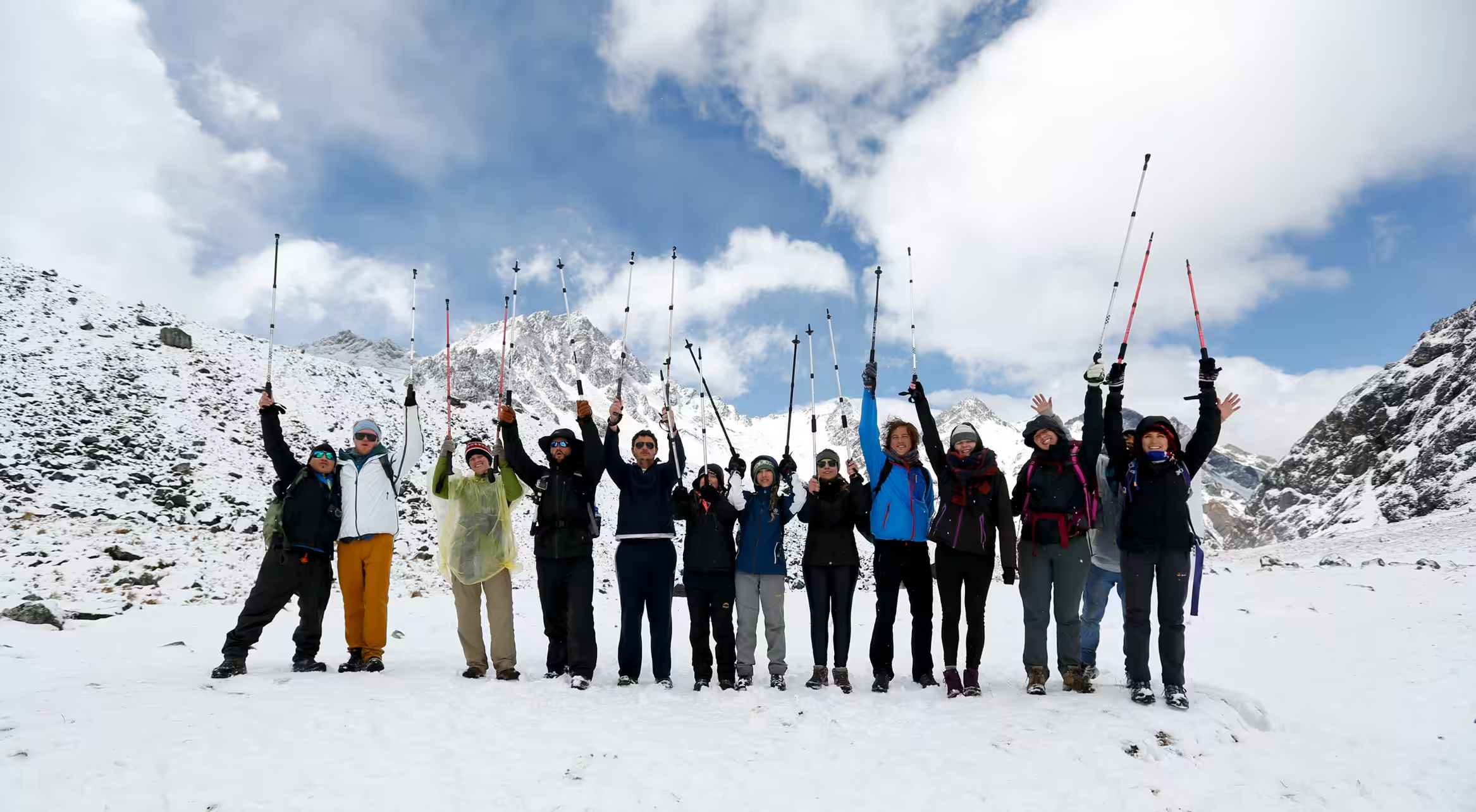
| June–August | Drier days, colder highland nights | Multi-day trekking and predictable outdoor plans | Strong demand and early booking pressure |
| September–October | Dry conditions transition toward spring rain | Shoulder-season treks and broader itineraries | Increasing weather variability |
| November–March | Main rainy season | Lush scenery and flexible train-based trips | Cloud, rain and possible transport changes |
SENAMHI describes November through March as Peru’s general rainy season and reports maximum precipitation in the Cusco region during those months, with minimum rainfall from May to September. Local topography means conditions can differ sharply between Cusco, high mountain passes and Machu Picchu’s cloud-forest edge.
Machu Picchu weather and planning by month
January
Expect a high chance of rain and cloud. Choose a flexible schedule, waterproof layers and protected luggage. A train-based visit is generally easier to adapt than a rigid multi-day trek.
February
The official Inca Trail network closes for conservation and maintenance. Machu Picchu itself normally remains open, but weather-related changes are more plausible. Use official notices, not old forum posts, to confirm the current situation.
March
Rain is still part of the plan, though the Inca Trail typically reopens after the February maintenance period. Trail conditions can remain wet, so footwear and pacing matter.
April
A transition month: the landscape is often vivid after the rains and outdoor plans become easier. It is a good candidate for travelers who accept some variability in exchange for a greener setting.
May
Rainfall is usually lower and the busiest winter period has not fully peaked. For many travelers, May is one of the strongest compromises between trail conditions, scenery and demand.
June
Drier weather supports trekking, while cold nights at altitude require proper layers. Cusco’s major cultural calendar also increases demand, so coordinate tickets, trains and hotels early.
July
Dry-season travel is well established. Sunny daytime conditions can coexist with cold mornings and nights. Popular routes and preferred ticket times can sell early.
August
Conditions remain favorable for high-altitude hiking, with strong sun exposure and cold before dawn. Do not mistake dry air for low UV risk.
September
A useful shoulder month for travelers who want drier trails without centering the trip on the June–August peak. Late-month weather can become less predictable.
October
Rain becomes more likely, but many itineraries remain practical. Build in margin if your plan connects several separate tickets on the same day.
November
The wet season is underway. Green landscapes return, but short intense showers can affect visibility and walking comfort.
December
Holiday demand and wetter conditions overlap. Protect documents and electronics, and avoid an itinerary that fails if one transfer runs late.
Best season by travel style
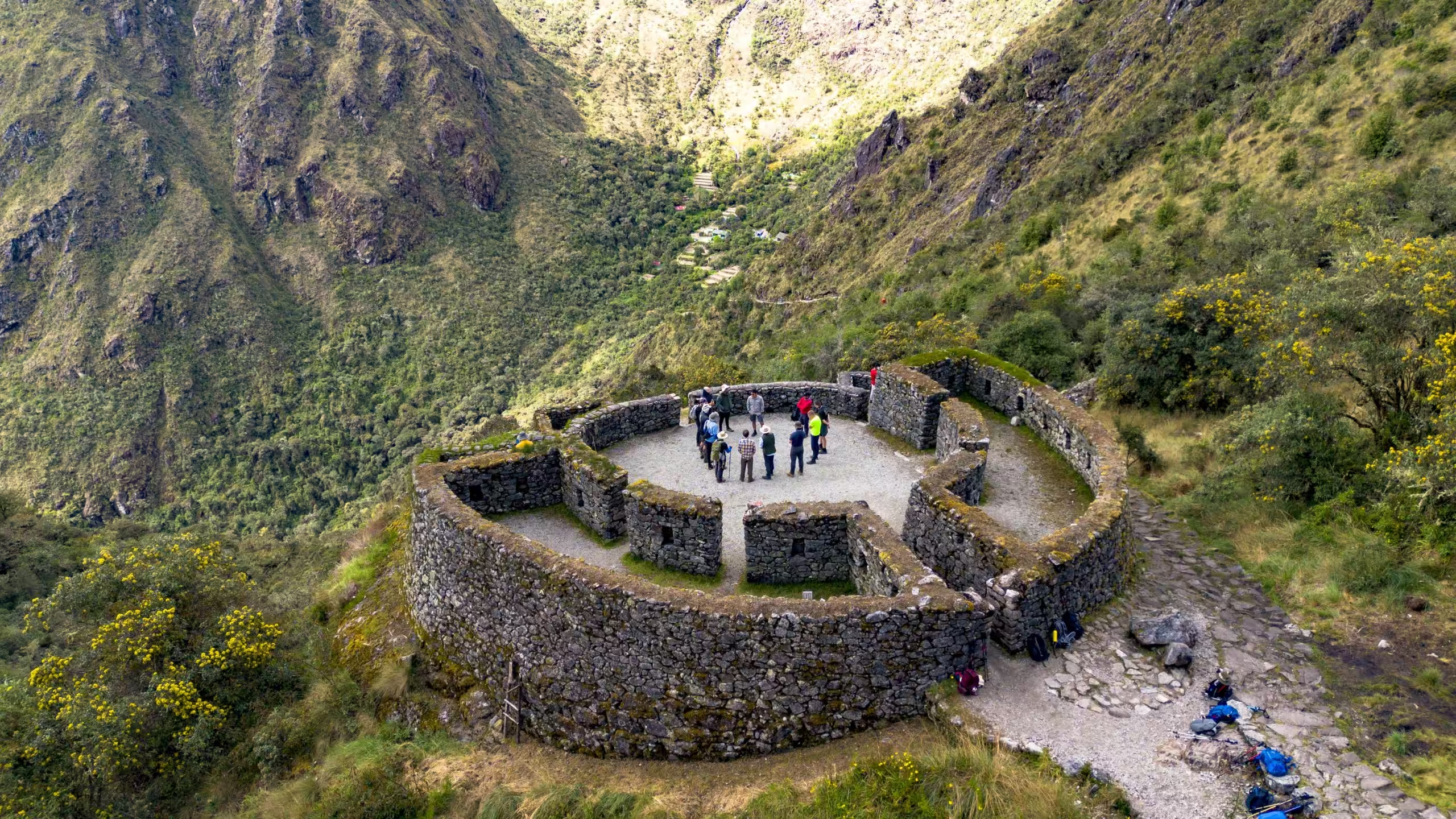
- Classic Inca Trail: May–September for drier conditions; February is closed. Start with the Inca Trail permits and availability guide.
- Salkantay Trek: the drier period is generally more comfortable on exposed high passes. Compare Salkantay Trek routes.
- Train journey: possible year-round, with more schedule margin during wetter months. Review Machu Picchu train tours.
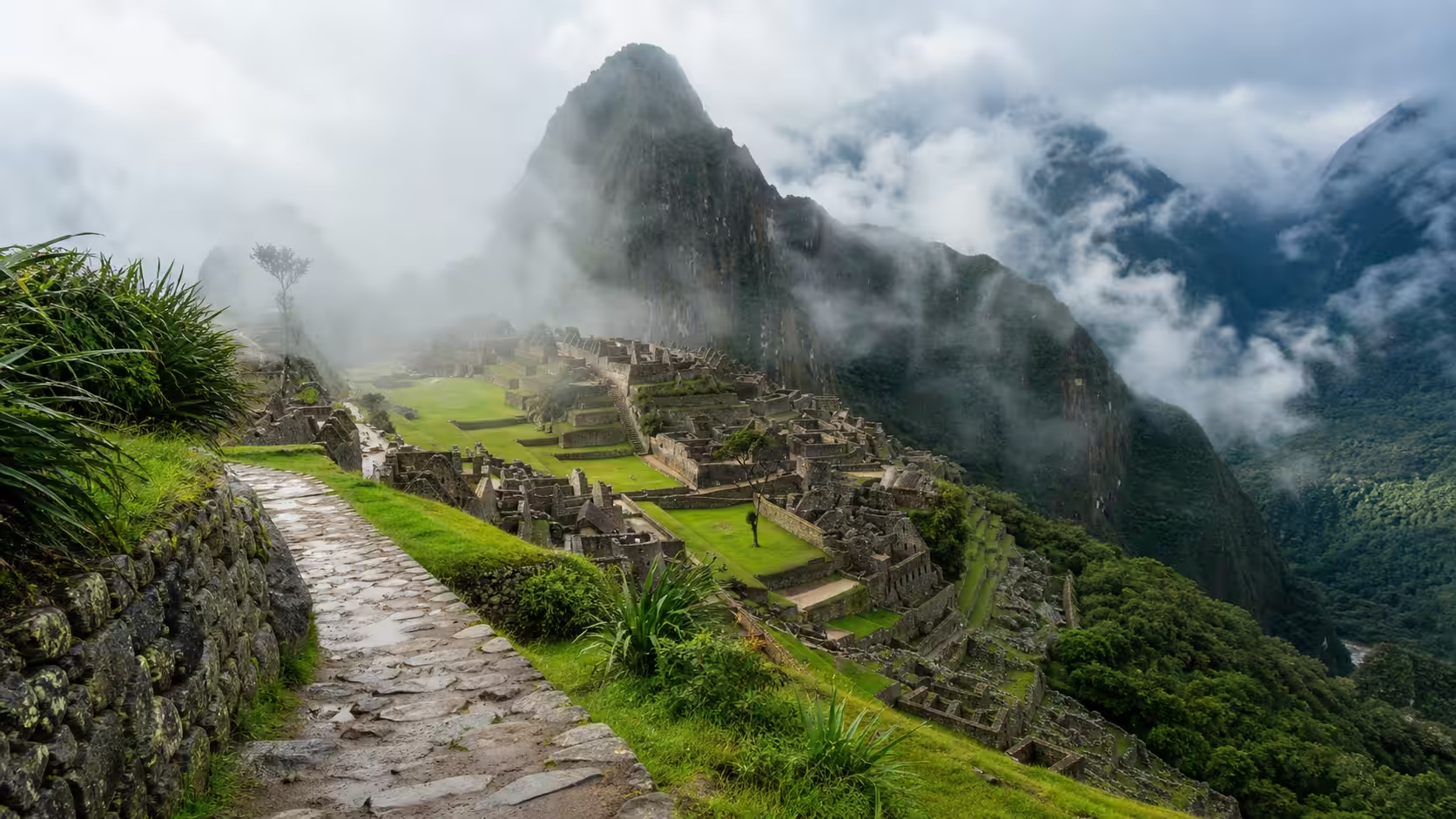
- Photography: dry months offer clearer odds; shoulder and rainy months can produce dramatic cloud and greener terraces. Neither is guaranteed.
Altitude matters in every season. Cusco is higher than Machu Picchu. Plan a gentle first day and read our evidence-led guide to altitude sickness around Machu Picchu.
Frequently asked questions
What is the best month to visit Machu Picchu?
May and September are strong compromise months for many travelers because rainfall is usually lower than in summer while conditions can feel less compressed than the core June–August period. Weather and visitor levels still vary.
Does Machu Picchu close in February?
The Machu Picchu citadel normally remains open, but the regulated Inca Trail network closes during February for annual conservation and maintenance. Verify current official notices before travel.
Is the rainy season a bad time to visit?
Not necessarily. The landscape is greener and some travelers value a quieter atmosphere, but rain, cloud and transport disruption are more likely. Build extra time into the itinerary.
Official sources
- SENAMHI: Peru’s rainy-season guidance
- SENAMHI: precipitation patterns in the Cusco region
- SERNANP: annual February Inca Trail closure