

Imagine walking through a sunlit market in Cusco. Your fingers touch vibrant handwoven blankets. A local artisan smiles as you admire the intricate patterns passed down through generations. This is how memories are made—and how treasures find their way into your suitcase.
Andean keepsakes do more than fill shelves. They carry stories of ancient cultures, high-altitude landscapes, and skilled craftsmanship. From alpaca wool scarves that outlast winters to hand-painted pottery whispering tales of the Sacred Valley, every piece becomes a cultural ambassador long after your trip ends.
But how do you choose items that feel authentic yet practical? This guide unlocks hidden gems beyond typical tourist trinkets. You’ll discover:
– Textiles dyed with natural pigments from the Andes
– Ceramics blending pre-Columbian symbols with modern flair
– Jewelry crafted from sacred Peruvian metals
– Edible specialties that bring flavors of the Amazon to your kitchen
Whether you’re drawn to bold colors or minimalist designs, these finds transform ordinary spaces into conversation starters. Ready to curate a collection that reflects your journey—and supports local communities? Let’s explore.
Planning a trip to Peru? See our Machu Picchu luxury tours, designed by a local Cusco family.
Así quien entra buscando souvenirs ve tus tours desde el inicio.
Why Peru Souvenirs Stand Out
When you bring home a keepsake from Peru, you’re not just buying an object. You’re holding centuries of cultural dialogue in your hands. These treasures blend indigenous traditions with colonial history, creating pieces that feel both timeless and alive. Let’s explore what makes traditional Peru gifts unlike anything you’ll find elsewhere.
Our Favorite Peruvian Treasures: The TrueAndes Boutique Collection
After more than 30 years guiding travelers through Peru, these are the four crafts we love most — and the ones we now offer in the TrueAndes Boutique.
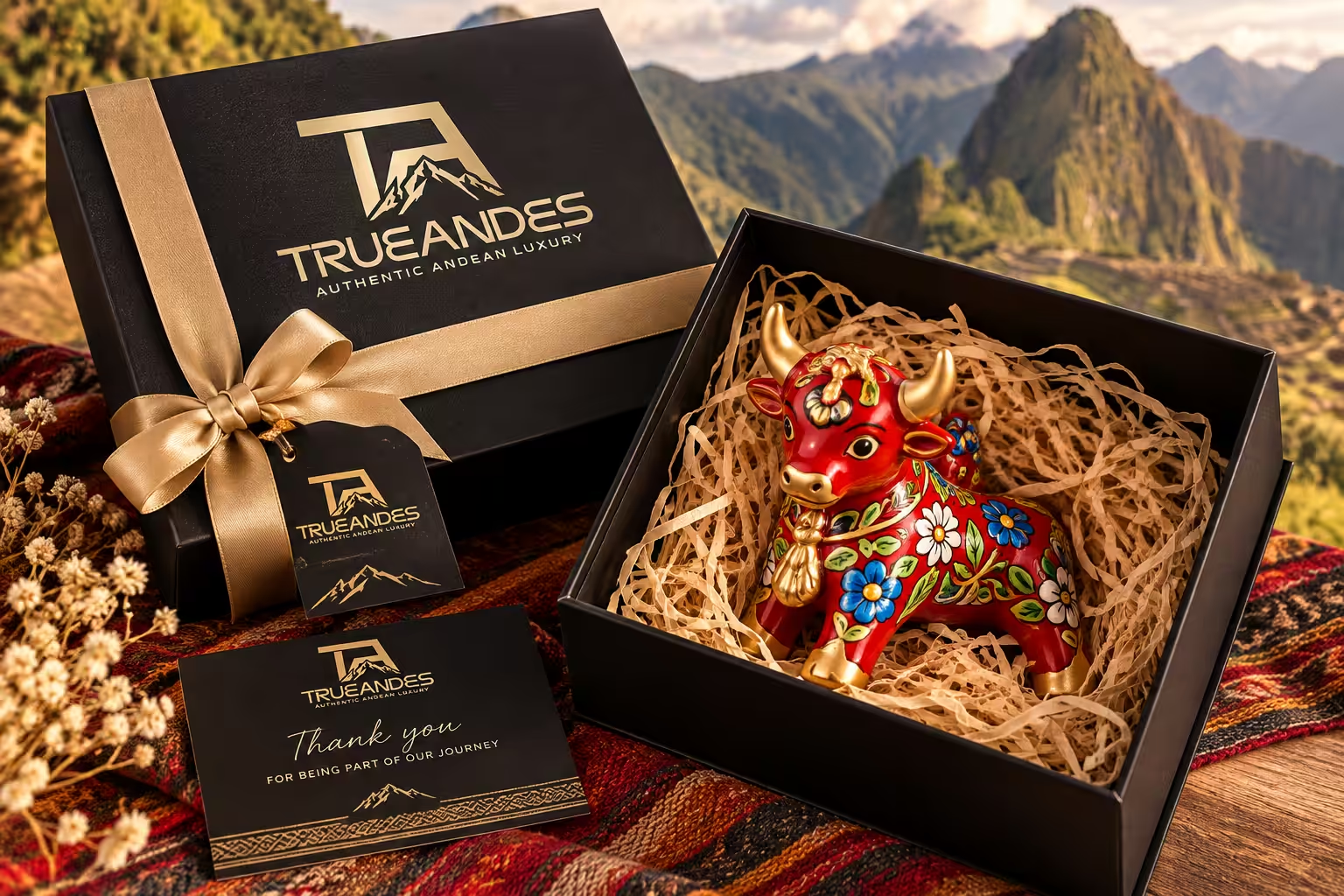
The Torito de Pucará
Made by artisan families in Pucará, Puno, near Lake Titicaca, this ceramic bull is placed on Andean rooftops for protection, prosperity and good luck. It is one of the most meaningful gifts you can bring home from Peru.
Learn more in our guide: The Torito de Pucará: History and Meaning of Peru’s Lucky Bull
Handcrafted Gold Jewelry
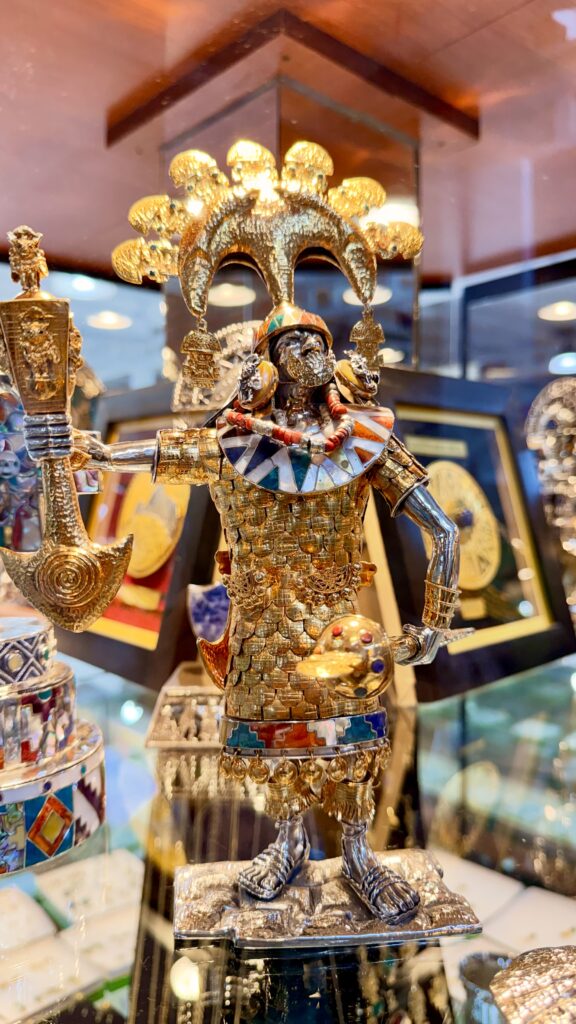
Goldsmithing in Peru is older than the Incas — the treasures of the Lord of Sipán prove it. Today, artisans in places like Catacaos, in Piura, keep alive the delicate art of filigree in gold and silver.
Andean Paintings
From the colonial Cusco School, which blends Andean and European art, to the colorful Sarhua boards from Ayacucho, Peruvian painting tells stories of faith, community and daily life in the Andes.
Traditional Textiles
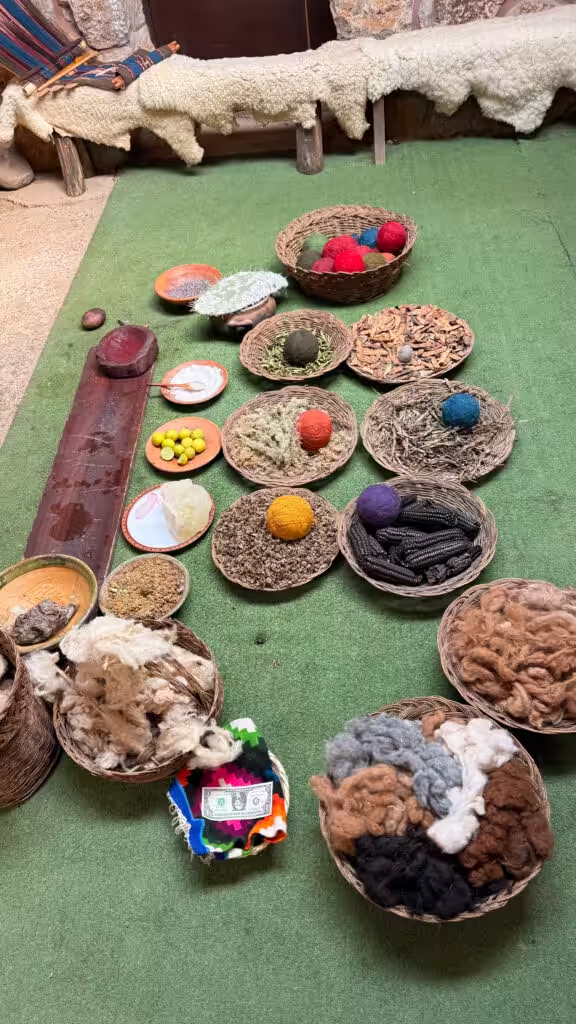
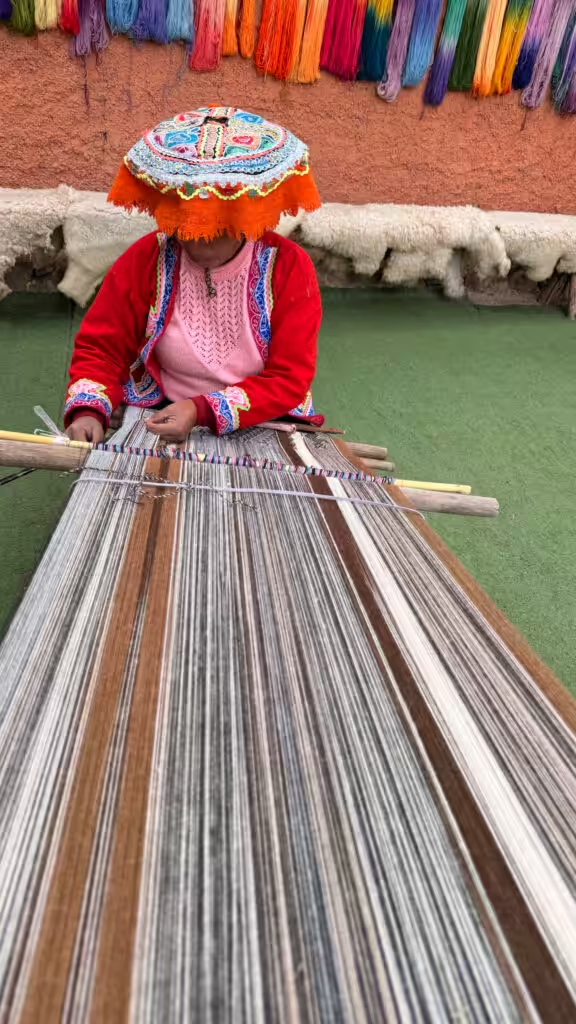
In Chinchero and across the Cusco region, weavers still use backstrap looms and natural dyes. The textile art of Taquile Island, on Lake Titicaca, is recognized by UNESCO as Intangible Cultural Heritage.
Every piece is handmade by Peruvian artisans, and 30% of our profits support vulnerable children, elderly people and families in Peru.
A Living Cultural Legacy
Peruvian craftsmanship tells a story older than the Inca Empire. Artisans today still use methods passed down through generations. For example, they use intricate silverwork perfected by the Chimú civilization.
Spanish colonization added new materials and motifs, resulting in hybrid designs. You’ll see this in everything from pottery to jewelry.
Pre-Columbian Craftsmanship Meets Spanish Influences
Visit a workshop in Cusco, and you’ll see creators merge geometric Andean patterns with Baroque flourishes. This fusion defines items like retablos. Originally used for Catholic teachings, they now depict Andean daily life.
UNESCO-Recognized Textile Traditions
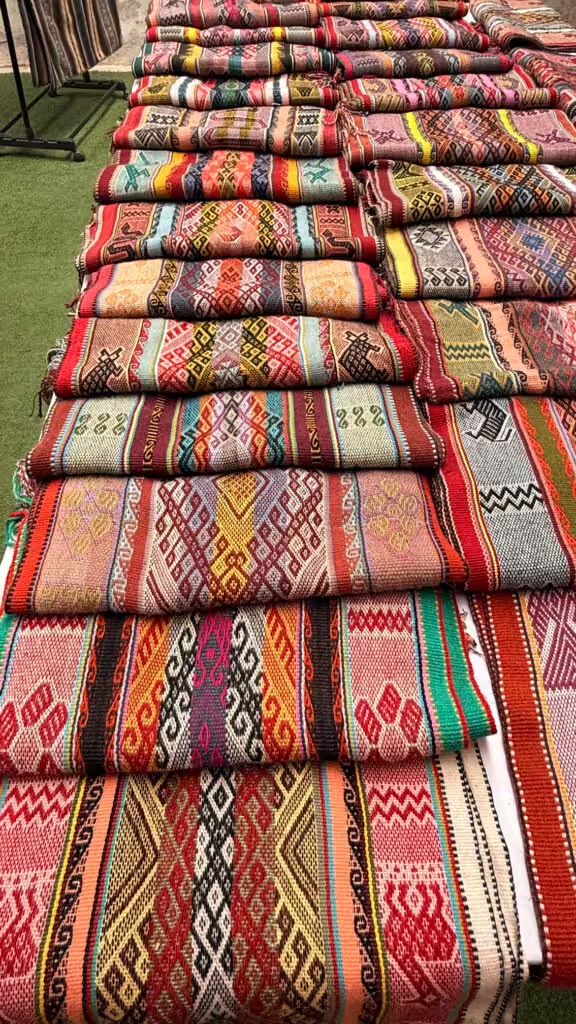
Peru’s weaving traditions go back thousands of years. UNESCO recognizes the textile art of Taquile Island, on Lake Titicaca, and many communities still weave on backstrap looms. These fabrics aren’t just art—they’re a language, with patterns that tell community histories.
More Than Just Tourist Trinkets
While markets overflow with keychains and magnets, Peru’s true gems are items locals actually use. A handwoven manta blanket isn’t just pretty—it’s designed for Andean winters. Ceramic cantaros (water jars) employ ancient cooling techniques still practical in rural villages.
Items Used in Daily Peruvian Life
In Andean homes, handwoven alpaca throws keep families warm through cold highland nights, especially around Puno. You’re not purchasing decor—you’re acquiring tools perfected through daily use across millennia.
Connection to Ancient Techniques
That silver necklace? It might be shaped using molds from the Moche era. The vegetable dyes in textiles often come from the same plants the Nazca cultivated. When you choose authentic Peruvian mementos, you help preserve these unbroken chains of knowledge.
Traditional Textiles and Clothing
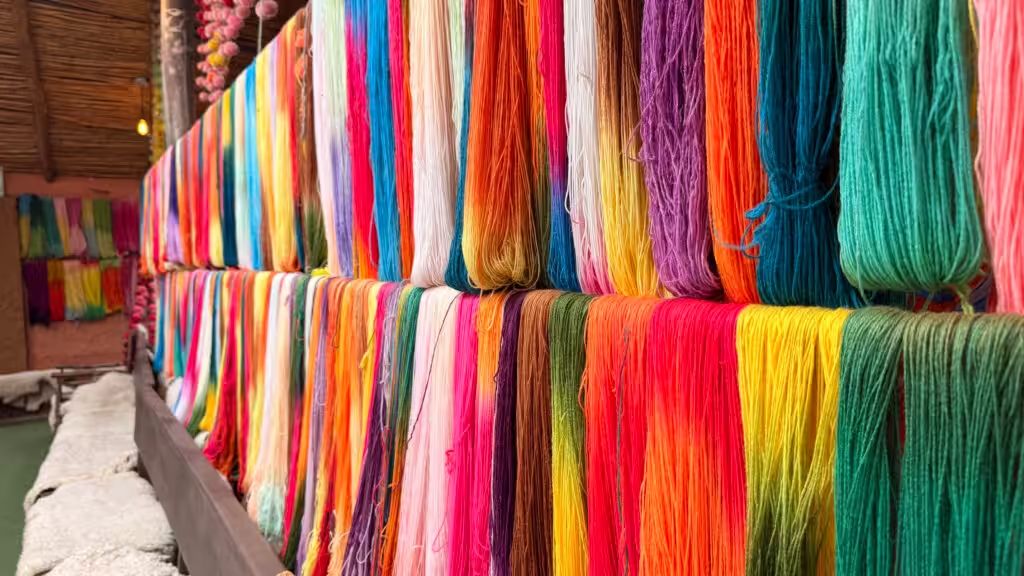
Peru’s weaving traditions tell stories in every thread. They connect you to ancient Andean cultures. These textiles are made in highland villages and urban markets. They show techniques passed down through generations.
Choosing authentic pieces honors this legacy. It also supports local artisans.
Alpaca Wool Essentials
Sweaters vs. scarves can be confusing for travelers. Sweaters are great for cold nights. Scarves are better for changing weather.
Look for baby alpaca for quality. This soft fiber is from the animal’s first shearing. It lasts decades. Regular alpaca wool is durable but coarser.
Where to Find the Real Deal
In Arequipa, Mundo Alpaca lets you see fleece turned into yarn. In Cusco’s San Blas neighborhood, family workshops show how garments are made. Tip: buy heavy items near the end of your trip, so you don’t carry them everywhere.
Andean Outerwear Staples
No Andean outfit is complete without a chullo hat. These hats have special patterns from a weaver’s village. Ponchos from the Mantaro Valley are known for their vibrant designs.
Look for natural dyes. Real pieces use cochineal for reds and eucalyptus for greens.
Smart Shopping Strategies
Check garments inside out. Handwoven textiles have unique stitching. Machine-made items look perfect but are less valuable.
Support cooperatives like the Centro de Textiles Tradicionales del Cusco. They fund artisan communities. If you buy antique textiles, always check Peru’s export rules first.
Spotting Ethical Sources
Fair Trade-certified vendors show logos clearly. Ask about the maker’s community. Real Peruvian artisan crafts come with stories, not just prices.
In Chinchero, visit on Sundays. Weavers show traditional backstrap loom techniques.
Pottery and Ceramic Crafts
Peru’s pottery traditions are as old as the Inca Empire. They mix ancient methods with modern creativity. These Peruvian handicrafts go from everyday dishes to art that tells stories of cultural exchange. Travelers looking for special souvenirs find ceramics a great way to connect with Peru’s past.
Chulucanas Black Clay Pottery
In Northern Peru, Chulucanas village keeps alive 500-year-old Mochica techniques. Artisans use smooth stones to polish black clay. This creates striking contrasts between matte and glossy surfaces.
Distinctive Negative Space Designs
Look for geometric patterns inspired by nature. Spirals symbolize water, and zigzags look like mountains. The empty spaces in these pieces add to their beauty, a trait of Moche-era art.
Ayacucho Retablos
These wooden boxes show detailed scenes behind carved doors. Originally for Catholic nativity scenes, now they depict political satire and village life in great detail.
Modern Political and Folk Scenes
Today’s artisans create scenes of everyday life. You might see farmers or musicians. They even recreate historic events with clay figures, no bigger than your thumb.
Pro tip: Wrap ceramic items in clothing or bubble wrap when packing. Many markets offer secure boxes. But, adding extra padding helps your fragile treasures make it home safely.
Gold, Silver and Andean Jewelry
Looking for unique Peruvian keepsakes? Andean jewelry is a great choice. It connects you to Peru’s rich culture. Artisans turn metals and stones into pieces that tell stories, mixing Inca symbols with today’s style.
You can find these treasures in Lima’s Central Market or at Pisac’s silver workshops.
For gold, look for delicate filigree from Catacaos, in Piura, or explore the handcrafted gold jewelry in our TrueAndes Boutique.
Andean Opal Pieces
The Andean opal, also called Peruvian opal, is a stone found in Peru, in soft shades of pink and blue-green. Jewelers often set it in 950 sterling silver.
Look for matching earrings and necklaces in Pisac. Their cool tones go well with any outfit.
A Stone From the Peruvian Andes
Real Andean opal has a soft, milky glow. Buy from trusted workshops and ask where the stone comes from, to avoid glass or dyed imitations.
Matching Earring and Necklace Sets
Many designers make sets with hand-hammered silver accents. These are perfect gifts. They mix Peru’s natural beauty with modern skill.
Traditional Symbol Jewelry
Andean symbols turn silver into spiritual pieces. The Chakana cross shows Inca beliefs in pendants. Condor designs symbolize freedom and vision, often in bold cuff bracelets.
Chakana Cross Pendants
These symbols have three tiers, showing the Inca view of the world. Look for precise carvings to know it’s made by skilled silversmiths.
Andean Condor Motifs
Condor designs are common in statement rings and brooches. Check for silver purity stamps (.925 or 950) inside the jewelry, especially in Cusco.
Ask the artisans about the symbols. This turns your unique Peruvian keepsakes into more than just jewelry. They become pieces that start interesting conversations about heritage.
Musical Instruments from the Andes
The haunting melodies of traditional Andean music make Peruvian artisan crafts like handmade instruments unforgettable keepsakes. These pieces carry centuries of cultural heritage. They offer practical ways to bring Peru’s soul-stirring sounds into your home.
Handmade Panpipes (Zampoñas)
Andean musicians craft zampoñas using either bamboo or native totora reeds. Bamboo versions produce brighter tones ideal for performances. Cane pipes offer deeper resonance, preferred in ceremonial contexts.
Bamboo vs Cane Construction
Bamboo panpipes withstand travel better but require sanding to prevent splinters. Cane instruments need extra care – their organic materials react strongly to humidity changes.
Proper Maintenance for Humidity Changes
Store your zampoñas in breathable cotton bags with silica packets. Highland artisans recommend lightly oiling cane pipes monthly using native maca root oil to prevent cracking.
Charango Miniature Guitars
This 10-stringed wonder traditionally features an armadillo shell back, though most modern versions use carved wood. Shell charangos deliver unique tonal warmth but require CITES certification for international transport.
Armadillo Shell vs Wood Bodies
Wood-body charangos (quebracho or alder) offer ethical advantages and consistent sound quality. Look for tight wood grain patterns – they indicate better resonance and durability.
Finding Playable vs Decorative Pieces
Test playable instruments by strumming open strings – notes should sustain evenly. Decorative charangos often have painted-on strings or uneven fret spacing. They are better suited for wall displays.
Peruvian Gourmet Souvenirs
Peru’s culinary treasures are more than just food—they tell stories of ancient traditions and rich lands. When you shop for souvenirs in Peru, gourmet items let you take home edible memories. These items show off the country’s biodiversity, from high-altitude superfoods to artisanal spirits.
Premium Coffee and Cocoa
Chanchamayo Valley coffee beans are a must for coffee lovers. Grown in the central highlands, these beans have floral notes and bright acidity. Make sure to buy bags with origin certifications to avoid commercial blends.
Pure cacao paste blocks from the Amazon reveal chocolate’s raw essence. Use chunks for homemade hot cocoa or baking. Look for authentic versions with a gritty texture and earthy aroma, signs of minimal processing.
Unique Superfoods
Maca root powder varieties range from golden to black, each with unique energy-boosting properties. Choose vacuum-sealed packages to keep it fresh during travel.
Properly sealed quinoa packages prevent spills and keep this protein-rich grain intact. Look for brands that partner with Andean farming communities for ethical souvenir shopping in Peru.
Pisco Liquor Essentials
Know the difference between pisco puro vs aromático types before buying. Puro uses single grape varieties like Quebranta, while aromático features muscatel grapes for floral hints. Both are great in cocktails, but puro is best in classic recipes.
Recommended cocktail ingredient kits often include pisco, key limes, and syrup blends. Check customs limits—most countries allow 1-2 liters of alcohol. Pair your bottle with a recipe card for easy mixology at home.
Artisan Leather Goods
Peruvian leather craftsmanship turns everyday items into traditional Peru gifts that last a lifetime. Artisans blend ancient techniques with modern methods. This creates pieces that grow more beautiful with time and share cultural tales.
Hand-Tooled Wallets
Wallets with quintuna floral designs are special. These patterns have been passed down for generations. They often include symbols like stepped crosses, which represent Andean beliefs.
Traditional floral patterns
Real pieces are made from vegetable-tanned leather, dyed naturally. The finest workshops stamp each petal by hand. This creates 3D textures that feel unique.
Llama leather durability tests
Artisans test llama leather by rubbing it against volcanic stones. This makes it 40% more resistant to scratches than regular sheepskin, they say.
Custom Belt Workshop
In Lima, you can design your own belt while enjoying emoliente herbal tea. Crafters have over 30 buckle styles, from old silver to modern titanium.
Choosing your buckle style
Match the metal color of your jewelry. Workshops let you try different buckles to find the perfect fit.
3-day turnaround services
Express services use pre-treated leather, so you can get your belt quickly. Always ask for extra stitching for heavy buckles.
For real quality, compare prices in workshops to tourist shops. Skilled artisans usually charge 20% less. Make sure to see the llama leather certification stamp to avoid fakes.
Retablos: Miniature Folk Art
Explore Peru’s detailed art form in retablos – small wooden boxes with intricate scenes. These unique Peruvian keepsakes started as biblical story tellers in colonial times. Now, they show Andean village life and social messages.
Nativity Scene Collectibles
Retablos often have religious themes, like nativity scenes. Artisans craft these with natural dyes and local materials. They make tiny figures in traditional clothes.
Original Ayacucho School Pieces
The truest retablos come from Ayacucho’s skilled artisans. They keep old techniques alive. Look for boxes with scenes of daily life, featuring symbols like condors or quinoa.
Modern Abstract Interpretations
Today, artists make retablos about politics and culture. These pieces might show protests or climate change. They’re unexpected conversation starters for your home.
When picking retablos, check the craftsmanship. Good ones have smooth joints and fine details. Smaller ones (3-4 inches tall) are great for travel, showing Peru’s rich stories.
Amazonian-Inspired Crafts
The Amazon rainforest is a source of unique artisan traditions in Peru. Local communities turn natural materials into art and decorations. These items reflect the jungle’s rich biodiversity.
They mix old techniques with green practices. This way, your souvenir helps preserve culture and nature.
Tribal Seed Jewelry
Huito seed necklaces show the beauty of nature. Artisans polish these dark seeds into shiny beads. They pair them with bright threads.
The seeds come from the huito tree. Its fruit makes a natural dye for body art.
Balsa Wood Carvings
Balsa wood is light but strong. Skilled hands shape it into animals like jaguars or macaws. These animals carry protective energies.
Each carving’s texture shows how it was made. Was it machetes or finer blades?
Float-Testing Wood Density
Genuine balsa wood floats in water. This is because it’s very light. Vendors test wood by floating it in a bowl.
This trick has been passed down for generations. It’s a way to know if wood is real.
Where to Shop for Authentic Souvenirs
Finding real Peruvian treasures means knowing the right places. Tourist stalls are easy, but the best souvenirs come from markets and workshops. These places are all about local traditions. Let’s find out where to shop for souvenir shopping in Peru and support artisans.
Lima’s Historic Markets
Lima’s markets offer a mix of fancy boutiques and lively cultural spots. Your choices here will shape your souvenir collection.
Mercado Indio vs Miraflores Markets
Mercado Indio is full of handmade goods and fair prices. Miraflores markets have trendy alpaca wool items but less room for bargaining. Tip: Begin at Mercado Indio to get a feel for prices.
Best Bargaining Strategies
Always bargain with a smile and cash ready. Say “¿Es su mejor precio?” (Is this your best price?) to start talks. Try to get 20-30% off, but don’t go below fair value for quality.
Cusco’s Artisan Alley
Cusco’s streets are lined with workshops where old techniques are kept alive. This is where souvenir shopping in Peru turns into a cultural journey.
San Blas Neighborhood Workshops
See silver jewelry making near Plaza de Armas or natural dyeing for textiles. Many San Blas artisans invite visitors into their studios. Just follow the sound of metalwork or weaving.
Custom Order Possibilities
Want a pattern but in a different size? Most workshops can make custom pieces. For special items, show them what you like and wait 3-5 days. Always get a receipt with the completion date.
Real souvenir shopping in Peru happens where artisans work in plain sight. The smell of leather or wool spinning means you’re in the right place.
Ethical Souvenir Shopping in Peru
Choosing authentic Peruvian mementos helps support local artisans and protects Peru’s culture and nature. Your purchases can truly make a difference. Knowing what to look for is key to shopping responsibly and avoiding harm.
Fair Trade Certification
Look for Fair Trade labels on textiles or crafts. These labels mean artisans get fair pay and work in safe places. Many cooperatives sell directly to global markets, helping rural communities.
Recognizing Legitimate Cooperatives
Real groups show they belong to organizations like the World Fair Trade Organization. Ask sellers about their partnerships. Ethical shops will share their stories with you.
Asociación Mamaqocha Example
Asociación Mamaqocha in Puno trains female weavers with sustainable alpaca wool. Their products have tags with photos and stories of the artisans. This creates a direct connection between buyers and makers.
Endangered Species Red Flags
Some items might harm Peru’s wildlife. Stay away from products made from animal parts or restricted plants unless they have proper documentation.
Vicuña Wool Restrictions
Vicuña wool needs government tags to prove it was sheared ethically. Products without these tags might come from illegal poaching of these protected camelids.
CITES-Protected Materials List
The CITES treaty bans trading items like mahogany, sea turtle shells, or taxidermied animals. Customs officials might take these items if they’re not declared. Always ask for export permits for natural materials.
By choosing authentic Peruvian mementos with ethical origins, you help keep traditions alive and protect ecosystems. Your thoughtful choices are part of Peru’s sustainable tourism journey.
Preserving Your Peruvian Treasures
Your collection of the best Peru souvenirs needs special care. For alpaca wool items from Kuna or Sol Alpaca, wash them by hand in cold water. Use a mild detergent and lay them flat to dry. Never wring or hang them to keep their shape and softness.
Chulucanas pottery and Ayacucho retablos need gentle handling. Keep ceramic pieces away from direct sunlight to prevent fading. Dust wooden carvings with a soft cloth, avoiding chemical cleaners that might harm the finish. Wrap delicate items in acid-free tissue when storing.
Humidity affects both Andean instruments and Amazonian crafts. Store panpipes and charangos in places with controlled temperatures. Use silica gel packets in airtight containers for tribal seed jewelry to prevent moisture damage. Rotate display positions for balsa wood carvings to ensure even aging.
Proper preservation lets your best Peru souvenirs become lasting connections to the country’s traditions. Document where you bought them and the artisan’s details. This way, you can share stories with future generations. Caring for these items ethically honors the skilled hands that made them.
Coming to Cusco? Live the full experience. The best Peru souvenirs aren’t just bought, they’re lived. Discover our Machu Picchu luxury tours, our Machu Picchu circuits guide or check Inca Trail permits 2027.