
Rainbow Mountain, or Vinicunca, is a high-altitude excursion from Cusco, not an easy viewpoint stop. Plan for a full day, leave time to adjust to altitude beforehand and confirm the specific access route. The most useful booking questions concern walking time, weather, emergency procedures and what is included—not simply which tour departs earliest.
Rainbow Mountain at a glance
| Question | Practical answer |
|---|---|
| Where is it? | In the Cusco region of Peru; this guide covers Vinicunca, not every attraction sold as a “rainbow mountain.” |
| How high? | Above 5,000 meters / 16,400 feet. Exact quoted elevations vary by reference point. |
| How long to allow? | A full day from Cusco, including transfers, walking and stops. |
| Main challenge? | The altitude combined with exertion and changing mountain weather. |
| Best booking check? | Get the access route, turnaround arrangements and itemized inclusions in writing. |
Altitude and the Cusipata access route
The MINCETUR inventory for the Cusipata sector, updated in June 2026, lists the attraction at 5,036 meters. It describes access through Chillihuani–Llaqto and records an approximately three-kilometer approach walk of one hour and 45 minutes. These are reference figures for that access route, not a personal hiking-time guarantee or the duration of the whole excursion.
Ask your operator where the vehicle stops and which viewpoint you will reach. A distance measured from one parking area should not be used to describe a different route. An optional extension also changes the day: find out whether it adds walking, a separate charge or a later return.
How hard is the hike?
Separate three things when assessing difficulty: the uphill walking, how you respond to elevation and the total day away from Cusco. Being comfortable on a short walk at home does not tell you how the same effort will feel here. Nor does a small advertised kilometer count include all the time spent in transport, at checkpoints or returning downhill.
The CDC Yellow Book explains that physical fitness does not protect against altitude illness. A good itinerary therefore leaves flexibility: the viewpoint is optional, and turning back should be an accepted outcome rather than a failure.
Health comes before the schedule. Do not ascend with altitude-illness symptoms. Worsening symptoms at rest require descent; confusion, loss of coordination or breathlessness at rest need urgent help. Read the CDC altitude guidance and discuss your itinerary with a clinician when appropriate.
What a day from Cusco should account for
- Pickup and outward drive. Confirm whether collection is from your hotel or a meeting point, and whether accommodation outside central Cusco requires a separate transfer.
- Meal and entrance arrangements. Ask whether breakfast, lunch and the community entrance charge are included. Carry the locally accepted payment method for anything payable on arrival.
- Trail briefing. Agree on the route, meeting points, guide coverage and when to turn around.
- Viewpoint and descent. Leave enough time to return without rushing. A longer photo stop should not remove the margin needed for a slower walker.
- Return to Cusco. Avoid attaching a flight, train or prepaid evening activity to an optimistic return estimate.
A private outing can offer more control over pacing, but it does not control road access or the weather. A group outing can be practical if its pace and support arrangements fit you. Ask for details rather than assuming either label guarantees a particular experience.
When to go and what the colors really look like
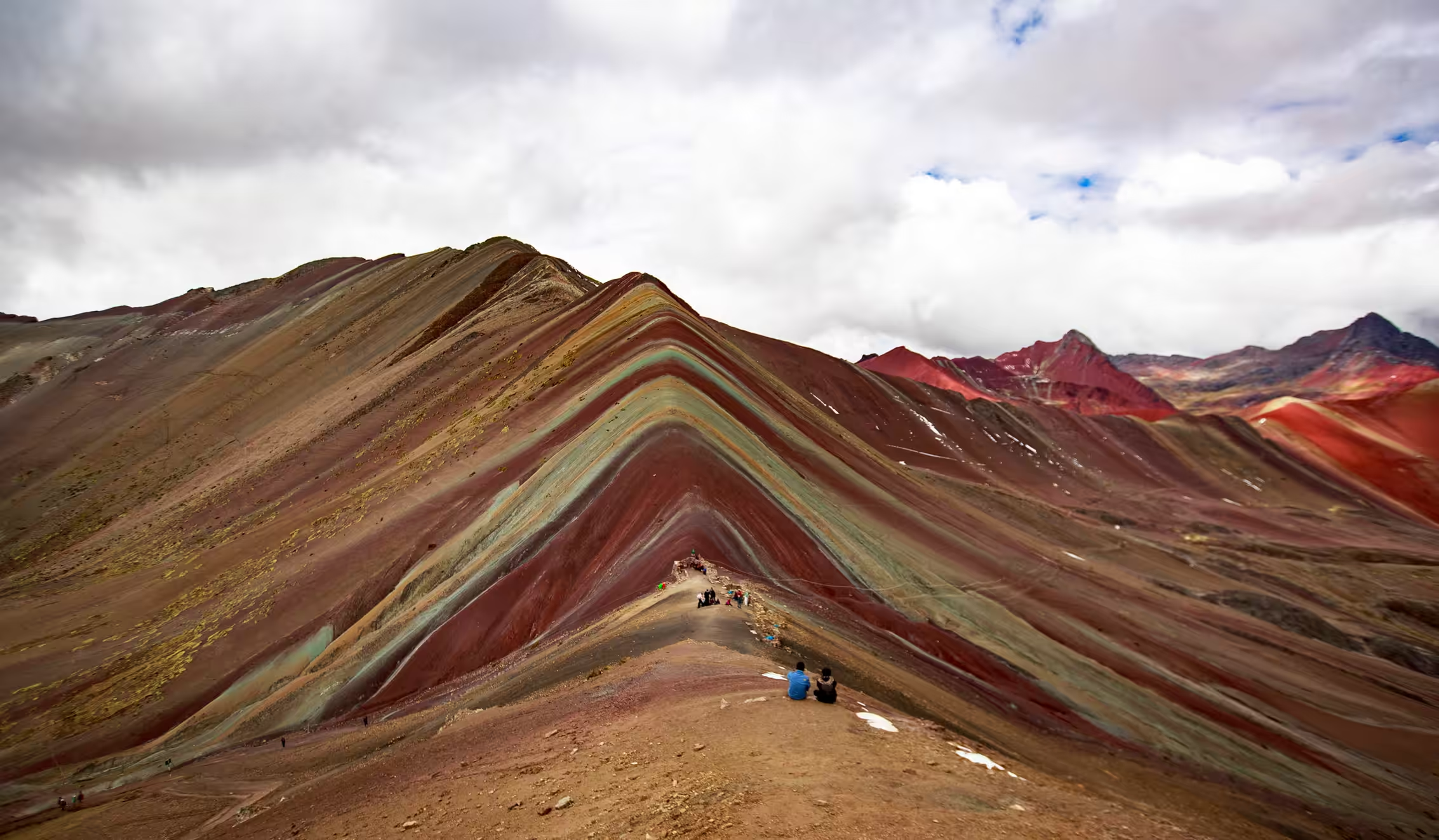
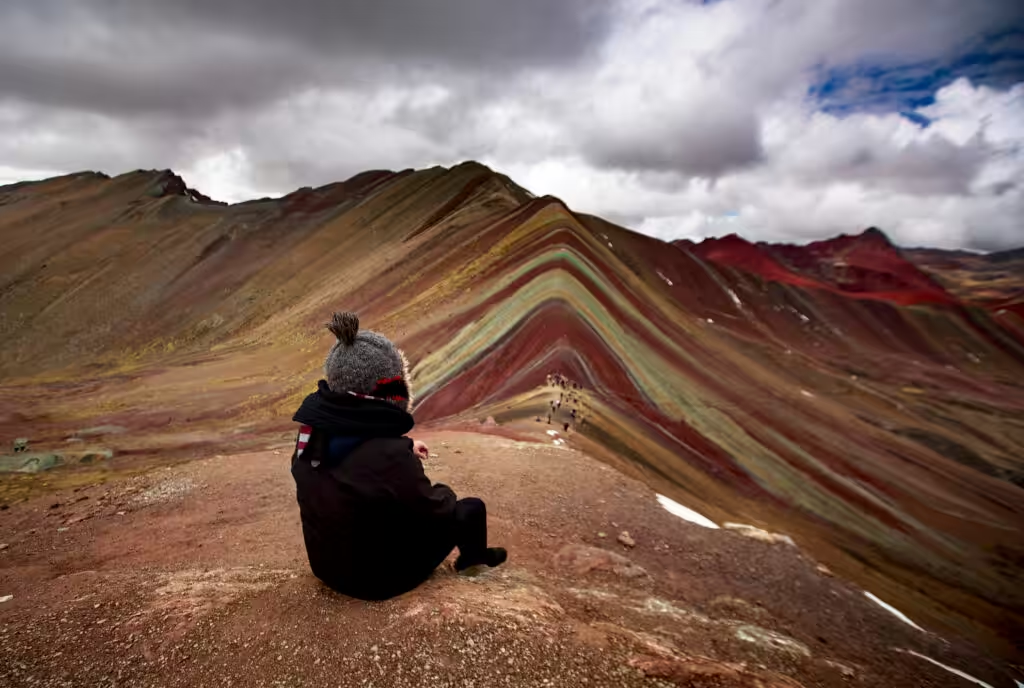
The colored bands are a natural feature associated with the mountain’s mineral layers; PROMPERÚ provides an overview of Vinicunca and its landscape. Their appearance in a photograph depends on light, cloud, snow cover and camera processing. Expect a mountain landscape, not an identical copy of a heavily saturated social-media image.
For the Cusipata access, MINCETUR identifies April to October as the preferred drier period. That is a seasonal planning reference, not a promise of sun or snow-free ground. Check the local forecast and operating conditions close to departure, then follow the guide’s assessment on the day.
What to pack for Rainbow Mountain
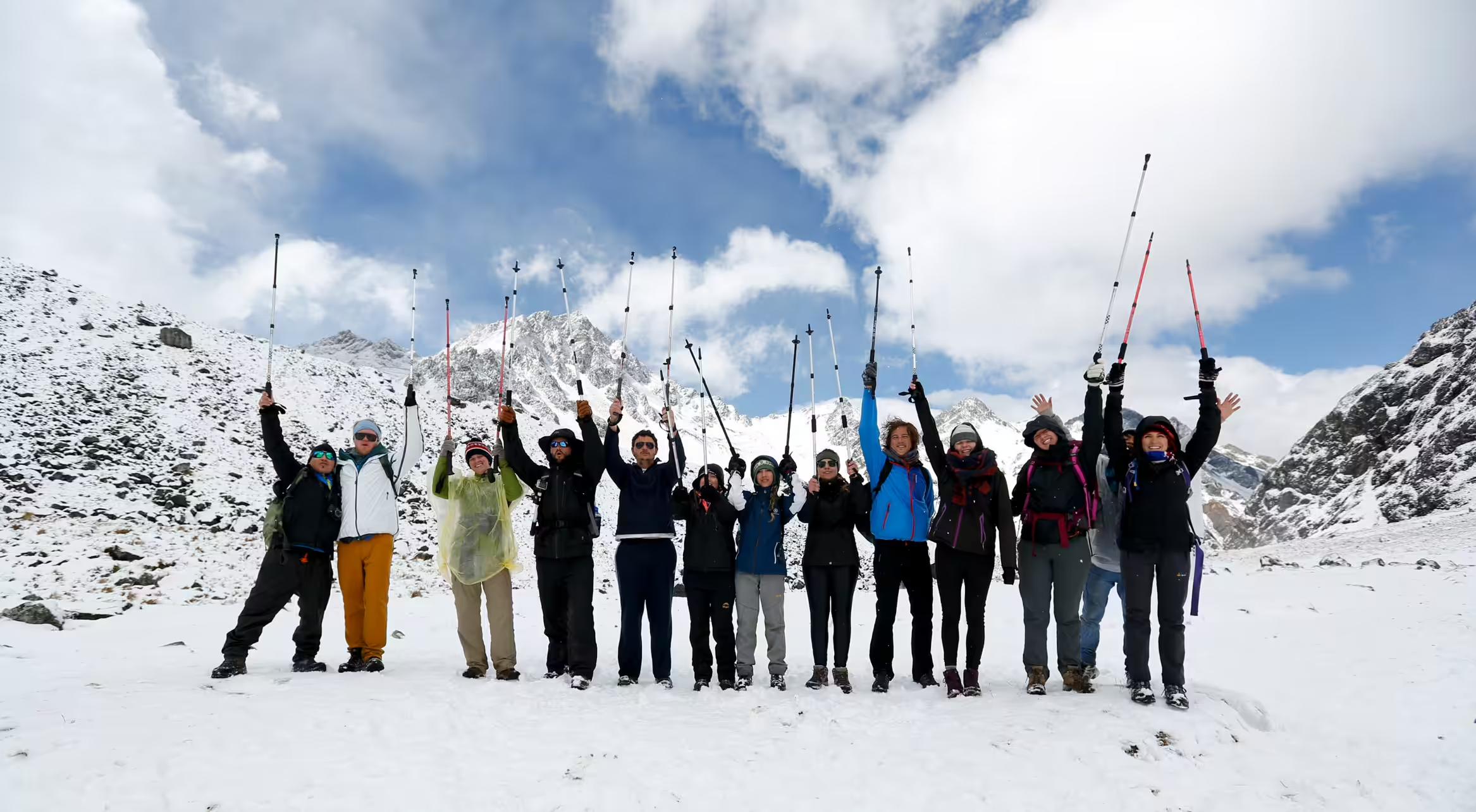
- Layered clothing: a comfortable base layer, insulation and a windproof, waterproof outer layer.
- Footwear with grip: use shoes you have already walked in, with socks that do not rub.
- Sun and cold protection: sunglasses, sunscreen, a warm hat and gloves.
- Water and a small snack: confirm what is supplied and bring what you personally need.
- A manageable daypack: protect your phone and spare clothing from rain; leave unnecessary luggage at your accommodation.
- Personal essentials: prescribed medicines, identification where required and funds for confirmed exclusions.
Seven questions to ask before paying
Which Vinicunca access route is operating? What is the estimated walking distance? How many travelers share a guide? What happens if someone turns back? What emergency equipment and communication are available? Which charges are excluded? What are the weather-related cancellation and rescheduling terms?
Do not treat the advertised presence of oxygen as permission to ignore symptoms or as a substitute for an evacuation plan. Likewise, optional horse assistance may cover only part of a route and still leaves you at high elevation. Confirm arrangements instead of relying on assistance being available when you arrive.
Where this fits in a Cusco itinerary
Place the excursion later in your stay, after gentler days, rather than immediately after a flight from sea level. Keep a non-hiking alternative available: use our Cusco activity guide to choose one. For a broader explanation of elevations in the region, read our Machu Picchu and altitude guide.
If your main trip includes a multi-day trek, decide whether another demanding excursion adds something meaningful or simply removes recovery time. A free day can be more useful than a second mountain outing squeezed between fixed reservations.
Frequently asked questions
How high is Rainbow Mountain in Peru?
Rainbow Mountain is above 5,000 meters, or 16,400 feet. MINCETUR lists 5,036 meters for the Cusipata-sector attraction. Published elevations can refer to different points along the visit, so ask which viewpoint and route your excursion uses.
How difficult is the Rainbow Mountain hike?
Treat it as a demanding high-altitude outing, even when the walking distance looks short. Your route, acclimatization, weather and pace all matter. The uphill walk is only one part of a day that also includes road travel and the descent.
Can I visit Rainbow Mountain on my first day in Cusco?
It is a poor default choice after arriving from low elevation. Leave time to adjust before planning a much higher excursion, and do not continue upward with symptoms of altitude illness. Seek individualized medical advice when planning high-altitude travel.
Can you see Rainbow Mountain without hiking?
Do not assume a horse or vehicle option removes all walking or the altitude exposure. Ask which sections are covered, where assistance ends and what happens if you need to turn back. Availability and conditions must be confirmed for your date.
Is Rainbow Mountain worth visiting in cloudy weather?
That depends on your priorities and the conditions. Clouds or snow can hide the colored slopes, while the outing still involves altitude and a long transfer. Ask about conditions and the cancellation policy before departure; no tour can guarantee a clear photograph.
Sources checked: September 22, 2026. Prepared from the linked official sources and published itinerary information. Conditions, availability and booking inclusions must be reconfirmed for your date. See our editorial policy.
Check a Rainbow Mountain day for your dates
Share your arrival date, time in Cusco and preferred pace. We will confirm available arrangements and the current route before you book.