
Pack for the Inca Trail in three groups: essentials you carry while walking, overnight items in your confirmed trekking duffel, and luggage left in storage. Then check a fourth constraint: the separate rules for entering Machu Picchu. Your operator’s equipment list, porter arrangement and packed bag dimensions matter more than a generic recommendation to buy a particular backpack size.
This list is designed around a multi-day camping trek such as the four-day Inca Trail. For the two-day Inca Trail hike, use the lighter variation below and confirm the accommodation included in your booking.
Start here: what your tour actually provides
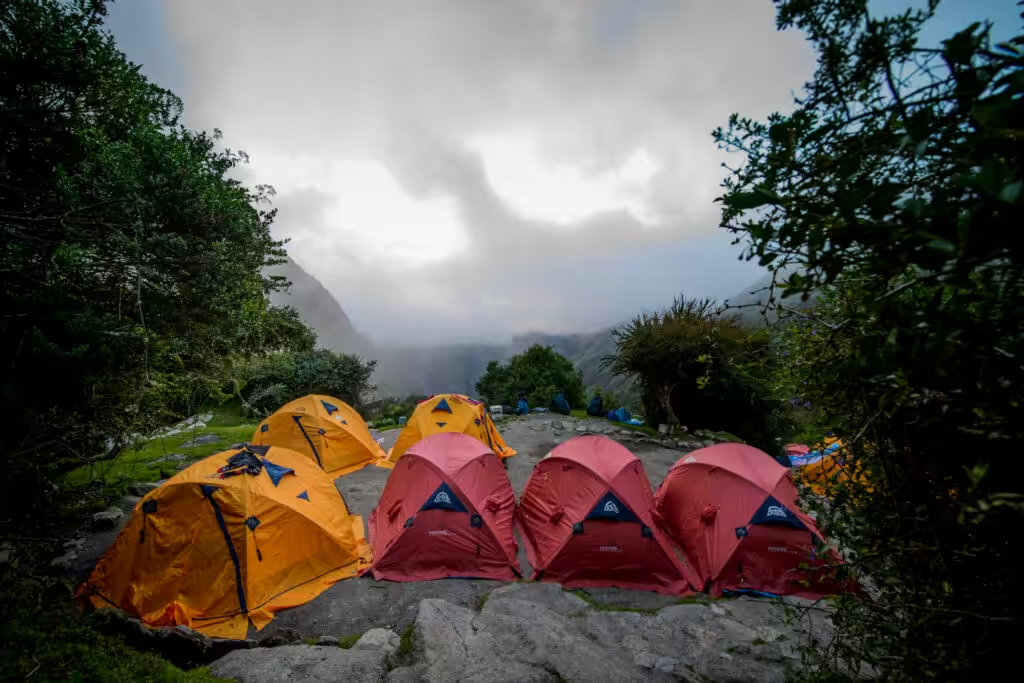
Before buying equipment, request a written list covering the tent, sleeping mat, sleeping bag, duffel, personal porter allowance, drinking-water arrangements and any available rentals. “Camping included” does not necessarily mean every personal item is supplied.
Where a seven-kilogram personal duffel allowance applies, check whether sleeping equipment uses part of that allowance. This is a traveler’s luggage allocation under a particular booking, not a universal statement about every trek or a porter’s total load. Resolve the inclusion and weight limit with your operator before departure.
Your daypack checklist
Pack the items you may need before arriving at camp where you can reach them. Do a practice walk with the actual load; an empty bag that fits comfortably in a shop can feel different after you add water and layers.
| Item | Why it belongs in the daypack |
|---|---|
| Original passport or required travel document | Keep it protected from moisture and confirm that booking details match. |
| Personal medication | Carry essential medication yourself, with any instructions you need. |
| Water and a trail snack | Confirm refill arrangements and pack for the section between planned stops. |
| Rain shell and pack protection | You need these when weather changes, not when the duffel arrives. |
| Warm layer, hat and gloves | Keep a layer available for exposed stops and changes in temperature. |
| Sun protection | Carry sunglasses, a hat and sunscreen you can reapply. |
| Headlamp | Keep it accessible and test it before leaving. |
| Phone, small power bank and dry pouch | Protect electronics; do not plan around finding a charging socket on the trail. |
| Small hygiene and litter kit | Bring personal supplies and a sealable bag for carrying used items out. |
What goes in the overnight duffel?
Prioritize a dry sleeping layer, spare underwear and socks, insulation, compact toiletries and any sleeping equipment your booking requires you to supply. Separate wet or dirty items from the clothing you intend to sleep in. A waterproof inner bag is useful even if the duffel itself is described as water-resistant.
Agree on the sleeping bag’s suitability with the operator for your departure and personal comfort needs; do not choose solely by a marketing label such as “four season.” If renting, ask about sizing, cleanliness and when you can inspect the equipment. Confirm whether a liner or pillow is supplied if those matter to you.
Clothing and footwear: a compact system
- Walking layer: comfortable, quick-drying clothing that you have already tested.
- Insulation: a fleece or equivalent warm layer, plus whatever additional warmth your operator recommends.
- Weather layer: rain and wind protection that fits over your other clothing.
- Dry camp layer: keep something separate to change into rather than using every item during the day.
- Socks: enough tested pairs to manage damp feet and rubbing, without packing your entire drawer.
- Footwear: broken-in walking shoes or boots with grip; choose what supports you comfortably on stairs and uneven ground.
Heavy jeans are a poor default for a hiking wardrobe because they are bulky and inconvenient when wet. New boots are another avoidable gamble. Test your footwear, socks and pack together before the trip so you can address rubbing or fit problems at home.
Keep the Machu Picchu rules separate from trail advice
The official Machu Picchu code of conduct sets a maximum bag size of 40 × 35 × 20 centimeters. It also prohibits items including food, umbrellas, walking sticks, tripods, selfie sticks and aerosols inside the citadel. A useful trail item is not automatically an allowed citadel item.
Ask your guide how excess gear and trail food will be handled before the visit. If you need a mobility aid, confirm the current accommodation procedure in advance. Do not rely on a general packing blog to establish an exception to an entrance rule.
The train operator has its own baggage policy, too. Check it against the service printed on your ticket and agree where your duffel and stored luggage will be returned. One bag may pass a trekking weight check but still need a different arrangement for the final sightseeing or train segment.
Leave these items in secure storage
Arrange storage for the suitcase and clothing you need for the rest of Peru but not the trek. Leave unnecessary electronics, large toiletries and spare shoes you are unlikely to use. Confirm the storage location, collection time and whether there is a charge. Do not assume that pickup from one hotel means your belongings will automatically appear at a different hotel afterward.
How the list changes for a two-day hike
A two-day itinerary with a hotel night normally calls for a walking daypack and compact overnight essentials rather than a complete camping kit. Confirm the hotel, luggage transfer and the bag you will carry while hiking. Keep a change of clothing minimal, but do not remove rain protection or other essentials just because the trip is shorter.
If you are still deciding between routes, read our Inca Trail and Salkantay comparison. The appropriate equipment depends on the itinerary you actually book.
The final evening: test, weigh and separate
- Check travel documents against your booking.
- Lay out the items supplied by the operator separately from your own gear.
- Weigh the complete duffel, including rented sleeping equipment where it counts.
- Try on the packed daypack and check that rain gear is accessible.
- Confirm luggage storage, pickup and the Machu Picchu gear arrangement.
- Charge devices, test the headlamp and keep the briefing details available offline.
Arrive at the briefing with unresolved questions written down. A five-minute equipment check before departure is far more useful than an extra gadget you have not tested.
Frequently asked questions
What should I carry in my Inca Trail daypack?
Carry your original travel document, personal medication, water, a trail snack, rain protection, a warm layer, sun protection and any small item you need before reaching camp. Do not put something essential for the walking day in a duffel you cannot access.
Is a 7 kg porter allowance standard on every Inca Trail tour?
No. Your booking determines the personal luggage allowance and whether porter support is included or an extra service. If your confirmed allowance is 7 kg, ask whether the sleeping bag and mat count within it, then weigh the complete packed duffel.
How large can my bag be inside Machu Picchu?
The official code of conduct prohibits bags larger than 40 × 35 × 20 centimeters. Check the packed dimensions, not only the advertised capacity in liters. Arrange storage or a smaller bag if your trekking daypack exceeds the citadel limit.
Can I take trekking poles into Machu Picchu?
Do not assume equipment allowed on the trail is allowed in the citadel. The official visitor page lists walking sticks among prohibited items. Coordinate storage with your guide; travelers who require a mobility aid should confirm the current accommodation procedure before visiting.
Do I need a sleeping bag for the two-day Inca Trail?
Check your booked overnight arrangement. A two-day program with a hotel night has different needs from the four-day camping trek and may not require a sleeping bag or camping duffel. Use the operator’s written equipment list for your exact departure.
Sources checked: September 22, 2026. Prepared from the linked official sources and published itinerary information. Conditions, availability and booking inclusions must be reconfirmed for your date. See our editorial policy.
Check the equipment for your Inca Trail departure
Compare the four-day program, then ask us to confirm the included equipment, personal porter arrangement and rental options for your booking.