
Choquequirao To Machu Picchu Trek-9 Days
The journey
9-Day Choquequirao to Machu Picchu: The Ultimate Trek
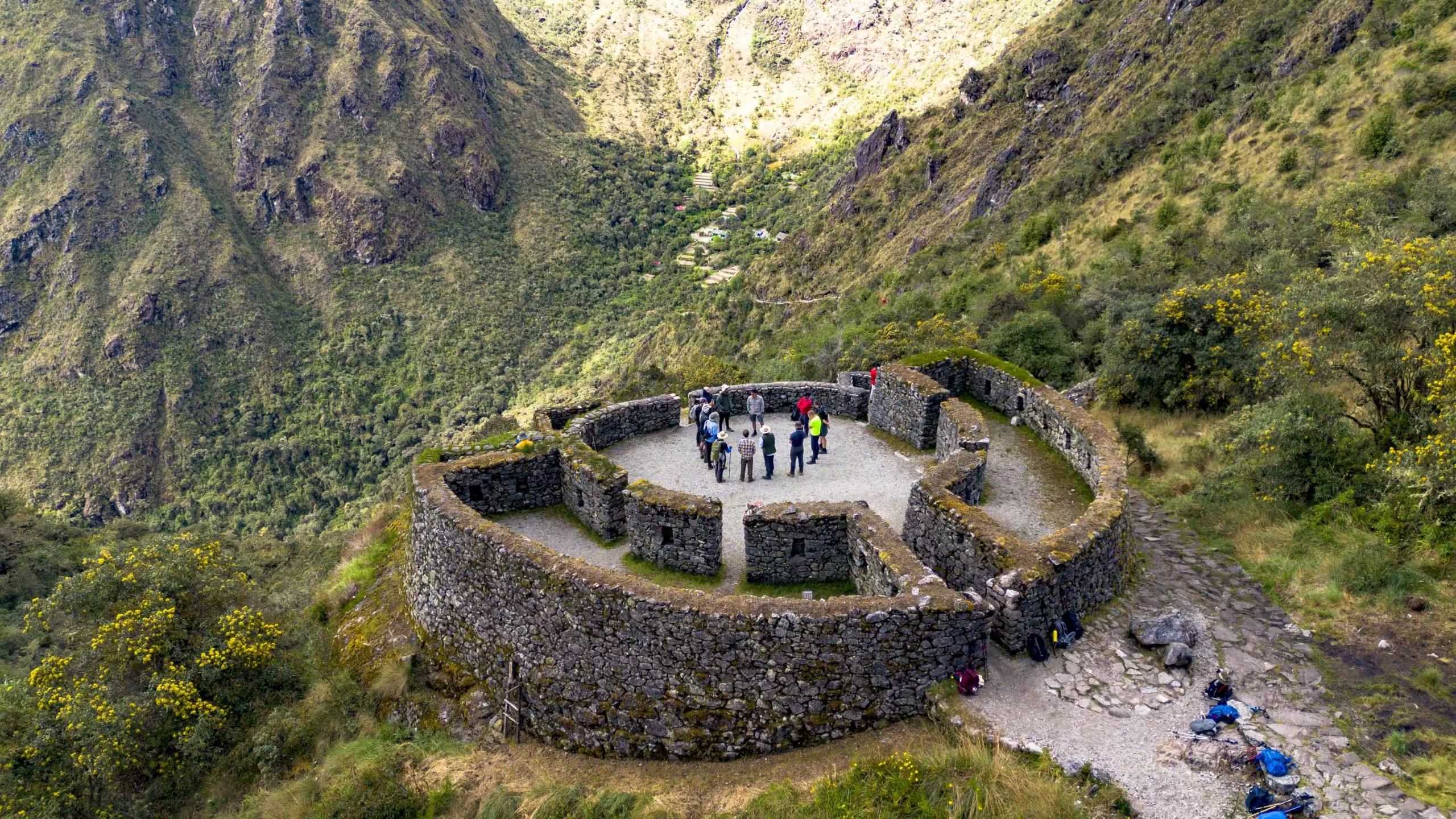
TrueAndes invites you on one of the most ambitious and rewarding treks in the Andes. This 9-day expedition connects the "Sister City" of Choquequirao with the legendary Machu Picchu. Unlike standard tours, this route traverses remote mountain passes, deep canyons, and cloud forests where few travelers venture.
We have designed this journey for true explorers. You will camp in pristine locations, explore the uncrowded ruins of Choquequirao in depth, and then hike through the Vilcabamba range to reach the Santa Teresa valley and finally, Machu Picchu. It is a challenging, once-in-a-lifetime adventure supported by our expert trekking team.
Day by day
Expedition Itinerary
Cusco to Santa Rosa
Private transport to Cachora. Hike down into the Apurímac Canyon. Camp at Santa Rosa (2,200m).Ascent to Choquequirao
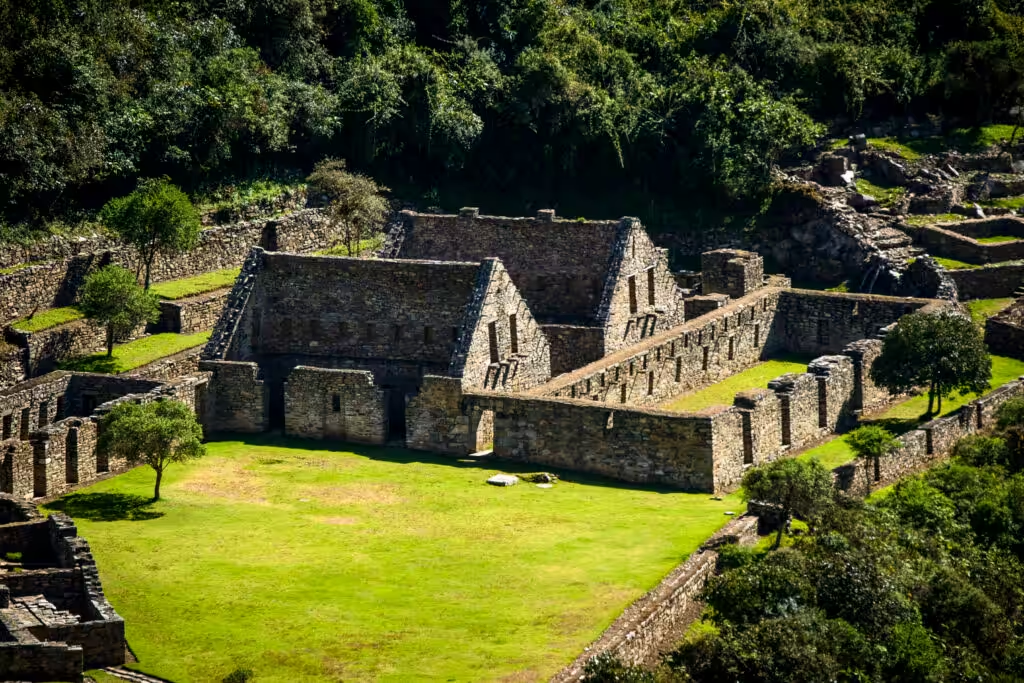
A challenging climb up to the archaeological site. Camp near the ruins (3,050m) with sunset views.Exploring the Cradle of Gold
Full day to explore the sectors of Choquequirao. Hike to the Chiquisqa camp.Chiquisqa to Yanama
Descend to Playa Rosalina and ascend towards the Yanama community (3,530m).Yanama to Santa Teresa
Crossing high passes and descending into the lush coffee plantations of the Santa Teresa valley.Hidroelectrica to Aguas Calientes
Hike along the railway tracks through the cloud forest to Aguas Calientes. Hotel overnight.Machu Picchu Sunrise
Guided tour of the citadel. Optional Huayna Picchu hike.Return to Cusco
Train to Ollantaytambo and private transfer to Cusco.Departure
Transfer to the airport for your flight.What's included
Included
- Trek Support: Chef, mules/horses (10kg allowance), emergency horse, camping gear.
- Accommodation: 7 nights camping, 1 night hotel in Aguas Calientes.
- Meals: All meals on trek.
- Transport: Private bus to Cachora, train/bus return from Machu Picchu.
- Guide: Expert trekking guide.
- Entrances: Choquequirao & Machu Picchu.
Not included
- International and domestic flights. * Travel and medical insurance, including emergency evacuation coverage. * Sleeping bag and trekking poles, unless specifically included in your confirmed booking. * Personal trekking equipment, footwear and clothing. * Meals and beverages not specifically mentioned in the itinerary. * Optional activities and additional entrance tickets not specified in the confirmed program. * Personal expenses, souvenirs and other purchases of a personal nature. * Tips and gratuities for guides, cooks, horsemen, drivers and support staff. * Additional services requested during the journey that are not included in the confirmed program. * Additional expenses resulting from circumstances beyond our reasonable control, including severe weather, road closures, transportation disruptions or changes required by local authorities.
What travellers say
Stories from the trail
Experiences shared by our travellers on Tripadvisor.
You may also like
Questions before you go
Clear answers for planning this tour.
Is this harder than Salkantay?
Yes. The Choquequirao to Machu Picchu Trek is generally more demanding due to its longer duration, remote terrain, steep ascents and descents, high mountain passes, and several consecutive days of trekking. Good physical preparation and previous hiking experience are highly recommended.
Can I charge my devices?
Electricity is very limited during the remote sections of the trek. We strongly recommend bringing a high-capacity power bank or portable solar charger. Charging opportunities may become available in some communities or accommodations later in the journey, but should not be relied upon.
What happens if I get injured or become ill during the trek?
Our experienced trekking guide will assess the situation and follow the appropriate emergency procedures. Because significant sections of the Choquequirao route are remote and far from road access, an evacuation may require assistance to reach the nearest accessible road or medical facility. An emergency horse is available where terrain and conditions permit. We strongly recommend comprehensive travel insurance that specifically covers high-altitude trekking, medical treatment and emergency evacuation
Are there villages?
Yes. The route passes through remote Andean communities such as Yanama and Totora before descending toward the cloud forest and the Machu Picchu region. Services are limited, so trekkers should not depend on villages for supplies.
Do I need crampons?
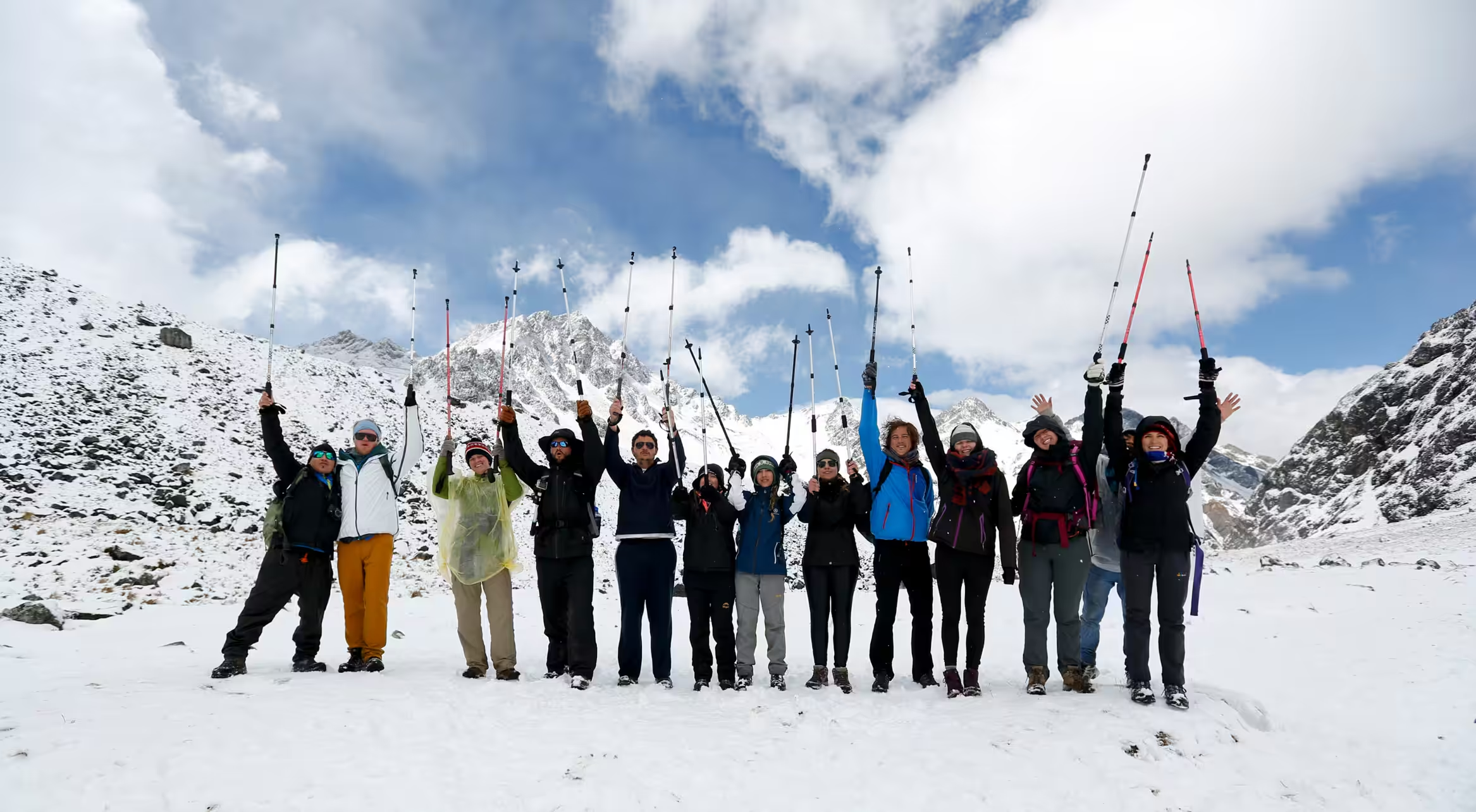
No. Crampons are not normally required for the Choquequirao to Machu Picchu Trek, as this is a high-altitude trekking route rather than a technical ice-climbing expedition. However, trail conditions can vary with weather and season. Good-quality trekking boots with excellent grip are essential, and trekking poles are strongly recommended for the long ascents and steep descents.
Is the train included?
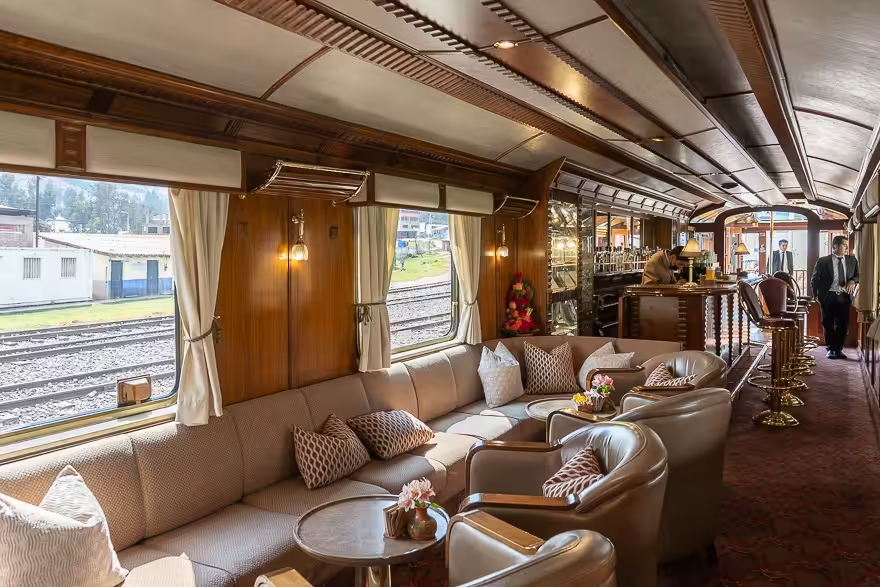
Yes. The return train from Aguas Calientes to Ollantaytambo is included, followed by private transportation to Cusco, according to the confirmed itinerary. TrueAndes coordinates these transfers in advance so that your return journey after Machu Picchu is comfortable and properly organized.
What are the camping conditions like during the trek?
TrueAndes provides quality trekking tents and comfortable raised sleeping mattresses for the camping nights. Camps are established along the trekking route in designated or appropriate camping areas, depending on local conditions. Our support team manages the camp setup, meals and essential camping logistics so travelers can focus on the experience. This is an authentic remote Andean expedition, not lodge or glamping accommodation.